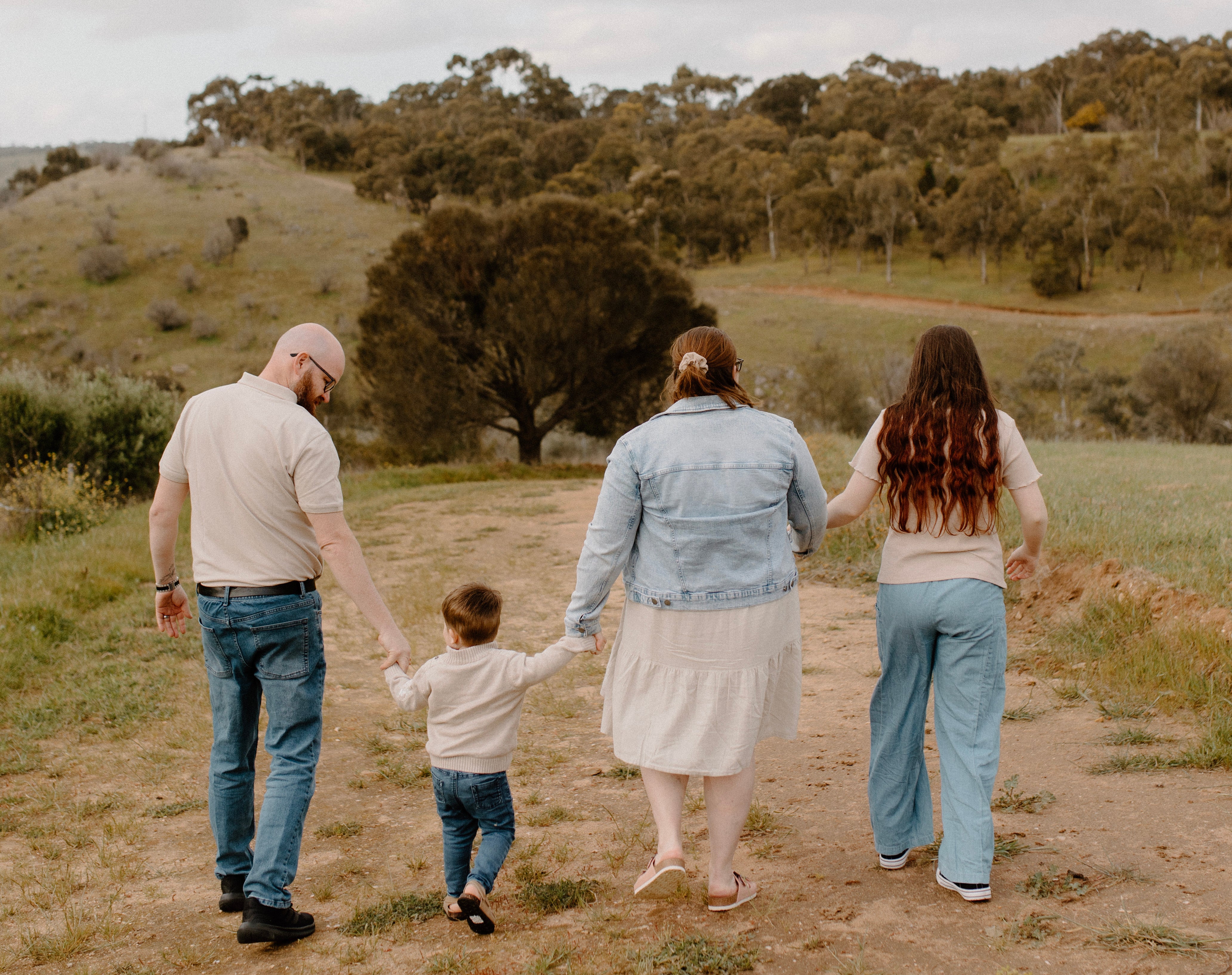
This animal looked exactly like the description. Absolutely feels amazing to my daughter. She’s in so much more comfort than what she was before and honestly, I thank you.
The photos didnt load in my other review so here ^^
We are currently transferring our stock between warehouses. There will be a delay in fulfilling orders while the stock makes its journey. Any orders placed at the moment (from the 28th August) will be fulfilled once the stock arrives at its new destination in approximately a week (estimated from the 7th Sept). We are still accepting orders, and this will reserve the stock for you, but please know your order won't be packed immediately. Any questions, email us at hello@littlepawsplushies.com
We thank you for your patience and understanding as we make this transition.
Lisa & the Little Paws Team x
Little Paws Plushies was born out of a genuine need for emotional support and understanding. Our founder, Lisa, who shares firsthand experience with neurodivergence and mental health challenges, knows the comfort a plushie can bring. Growing up, plushies provided that much needed sense of security and understanding—a feeling of companionship in a world that sometimes felt unkind. When our founder’s own child, who is autistic, found solace in a beloved plushie, the importance of these companions became even clearer. Understanding how a simple, comforting object could transform a child’s ability to face school, engage with friends, or navigate life confidently, Little Paws Plushies was created with a mission: to help others feel seen, accepted, and supported. At Little Paws Plushies, we’re not just selling plushies—we’re offering tools for emotional well-being, resilience, and connection for all.
At Little Paws Plushies we support the Sunflower Lanyard Initiative. The Hidden Disabilities Sunflower is a simple tool for you to voluntarily share that you have a disability or condition that may not be immediately apparent – and that you may need a helping hand, understanding, or more time in shops, at work, on transport, or in public spaces. Just because you can’t see it, doesn’t mean it is not there Globally 1 in 6 of us live with a disability. That is approximately 1.3 billion people. But while some of us experience a disability that is visible, many have a non-visible condition or experience a combination of both visible and non-visible conditions. These disabilities can be temporary, situational or permanent. They can be neurological, cognitive and neurodevelopmental as well as physical, visual, auditory and include sensory and processing difficulties. They can also be respiratory as well as chronic health conditions such as arthritis and diabetes, chronic pain and sleep disorders. Making the invisible visible.